Introduction / Overview
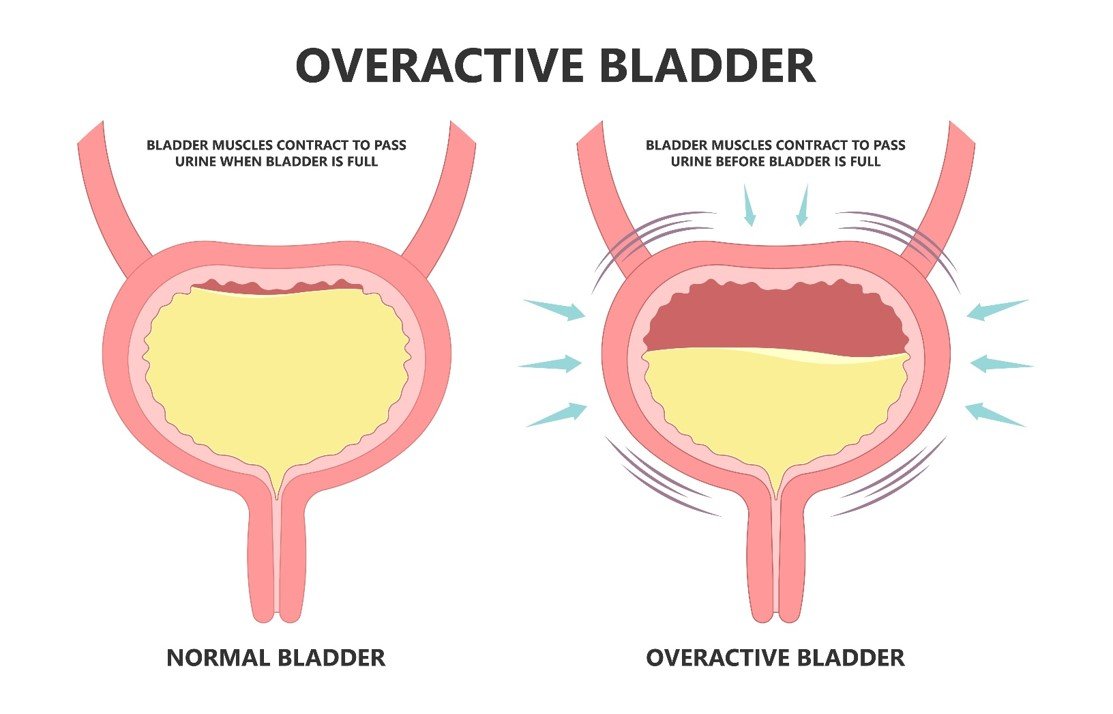
Overactive bladder is a common urological condition characterized by a sudden and uncontrollable urge to urinate, often accompanied by increased frequency and, in some cases, involuntary leakage of urine. This condition occurs when the bladder muscles contract involuntarily, even when the bladder is not full, leading to urgency and discomfort. Overactive bladder can affect both men and women and may significantly impact daily activities, sleep, and overall quality of life. With proper evaluation and treatment, symptoms can be effectively managed, allowing patients to regain confidence and comfort.
Causes
Overactive bladder can develop due to a variety of underlying factors that affect bladder function or nerve signaling. Neurological conditions such as stroke, Parkinson’s disease, or spinal cord injuries can interfere with normal bladder control. In some individuals, bladder muscle overactivity may occur without a clear cause. Other contributing factors include urinary tract infections, bladder abnormalities, hormonal changes, prostate enlargement in men, and certain medications. Lifestyle factors such as excessive caffeine or alcohol intake may also irritate the bladder and worsen symptoms
Symptoms / Clinical Presentation
The hallmark symptom of overactive bladder is a sudden and strong urge to urinate that is difficult to control. Patients may experience frequent urination, often more than eight times a day, and may wake up multiple times at night to urinate. Some individuals may also experience urge incontinence, where urine leaks before reaching the bathroom. These symptoms can vary in severity and may interfere with work, social interactions, and sleep patterns, affecting overall well-being
Diagnosis
Diagnosis begins with a detailed medical history and assessment of symptoms. The doctor may recommend a physical examination and basic tests such as urine analysis to rule out infections or other conditions. A bladder diary may be used to track fluid intake and urination patterns. Advanced diagnostic tests, including ultrasound, urodynamic studies, or cystoscopy, may be advised in certain cases to evaluate bladder function and identify any underlying abnormalities. Accurate diagnosis is essential for developing an effective treatment plan.
Treatment Options
Treatment for overactive bladder focuses on reducing symptoms and improving bladder control. Initial management often includes lifestyle modifications such as reducing caffeine intake, managing fluid consumption, and bladder training techniques to increase the time between urination. Pelvic floor exercises can help strengthen the muscles involved in bladder control. Medications may be prescribed to relax the bladder muscles and reduce urgency. In more persistent cases, advanced treatments such as nerve stimulation therapy, Botox injections into the bladder, or minimally invasive procedures may be considered. Treatment is individualized based on the patient’s condition and response.
Postoperative Care / Rehabilitation
Ongoing care is important to maintain symptom control and prevent recurrence. Patients are encouraged to continue bladder training exercises, follow dietary recommendations, and adhere to prescribed medications. Regular follow-up visits help monitor progress and make any necessary adjustments to treatment. Maintaining a healthy lifestyle and staying informed about triggers can significantly improve long-term outcomes.
Risks and Complications
While overactive bladder itself is not life-threatening, it can lead to complications if left unmanaged. These may include skin irritation due to leakage, urinary tract infections, and emotional stress or social embarrassment. Sleep disturbances caused by frequent nighttime urination can also affect overall health. Treatment-related side effects, such as dry mouth or constipation from medications, may occur but are generally manageable under medical supervision.
When to See a Doctor
It is advisable to consult a urologist if you experience persistent urgency, frequent urination, or involuntary urine leakage that affects your daily life. Early evaluation helps identify the underlying cause and allows for timely treatment. Individuals who notice a sudden change in bladder habits, pain during urination, or blood in the urine should seek medical attention promptly. With appropriate care, overactive bladder can be effectively controlled, improving comfort and quality of life