Introduction / Overview
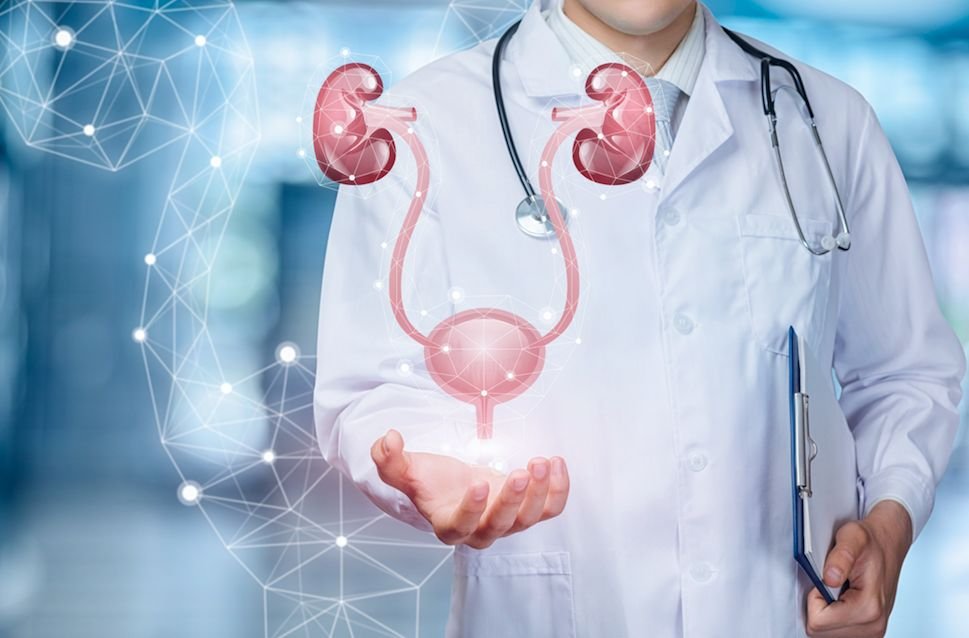
Urology is a specialized branch of medicine that focuses on the diagnosis, treatment, and prevention of conditions affecting the urinary tract in both men and women, as well as the male reproductive system. This includes organs such as the kidneys, ureters, bladder, urethra, prostate, and male genital structures. Urological health is essential for maintaining proper waste elimination, fluid balance, and reproductive function. With advancements in medical technology, modern urology offers precise diagnostics and minimally invasive treatments that ensure effective care with faster recovery and improved patient comfort.
Causes
Urological conditions can develop due to a wide range of factors, including infections, lifestyle habits, genetic predisposition, and age-related changes. Common causes include urinary tract infections, kidney stone formation due to dehydration or dietary factors, prostate enlargement in aging men, and hormonal imbalances. Chronic health conditions such as diabetes and hypertension can affect kidney function and urinary health. In addition, smoking, poor hydration, and prolonged exposure to certain chemicals may increase the risk of urological disorders. Structural abnormalities or previous surgeries can also contribute to urinary tract issues.
Symptoms / Clinical Presentation
Symptoms of urological conditions vary depending on the underlying problem but often involve changes in urination patterns. These may include pain or burning during urination, increased frequency or urgency, difficulty passing urine, weak urine flow, or blood in the urine. Some patients may experience lower abdominal or back pain, particularly in conditions like kidney stones or infections. In men, additional symptoms may include erectile dysfunction, infertility, or testicular discomfort. Recognizing these symptoms early is important for timely diagnosis and treatment.
Diagnosis
Diagnosis of urological conditions involves a comprehensive approach that includes a detailed medical history, physical examination, and appropriate investigations. Basic tests such as urine analysis and blood tests help identify infections and assess kidney function. Imaging techniques like ultrasound, CT scan, or MRI are commonly used to visualize the urinary tract. Specialized procedures such as cystoscopy allow direct examination of the bladder and urethra. In certain cases, urodynamic studies may be performed to evaluate bladder function. Accurate diagnosis ensures a targeted and effective treatment plan
Treatment Options
Treatment in urology depends on the type and severity of the condition. Many conditions can be managed with medications, lifestyle modifications, and non-invasive therapies. Antibiotics are used to treat infections, while medications may help manage bladder disorders or prostate enlargement. Minimally invasive procedures, including endoscopic and laser-based techniques, are widely used for conditions such as kidney stones and strictures. In more complex cases, surgical interventions may be required. Advanced procedures like kidney transplantation are also part of urological care when needed. The goal is to provide safe, effective, and patient-centered treatment.
Postoperative Care / Rehabilitation
Post-treatment care plays a crucial role in ensuring long-term success and preventing recurrence. Patients are advised to follow prescribed medications, maintain proper hydration, and adopt a healthy lifestyle. Regular follow-up visits help monitor recovery and detect any early signs of recurrence. Dietary adjustments, physical activity, and adherence to medical advice are essential for maintaining urinary health and overall well-being.
Risks and Complications
If left untreated, urological conditions can lead to serious complications such as chronic kidney disease, recurrent infections, bladder damage, or impaired reproductive function. Some conditions may progress silently, making regular check-ups important. Treatment-related risks are generally minimal and may include temporary discomfort, infection, or bleeding, depending on the procedure. With modern techniques and expert care, these risks are effectively minimized.
When to See a Doctor
It is important to consult a urologist if you experience persistent urinary symptoms such as pain, frequent urination, blood in the urine, or difficulty in passing urine. Early medical attention can help diagnose conditions at an initial stage, leading to more effective and less invasive treatment. Individuals with risk factors such as diabetes, hypertension, or a family history of urological diseases should consider regular check-ups. Timely consultation ensures better outcomes and helps maintain long-term urinary and reproductive health.