Introduction / Overview
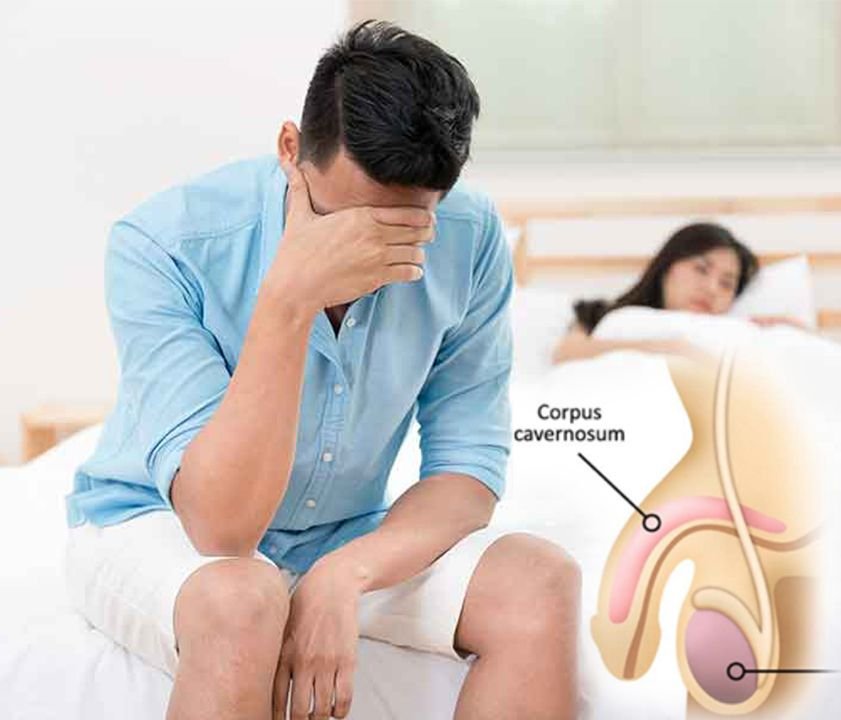
Erectile dysfunction is a common condition characterized by the consistent inability to achieve or maintain an erection sufficient for satisfactory sexual performance. It can affect men of all ages, although it becomes more prevalent with advancing age. Erectile function is a complex process involving blood flow, nerve signals, hormones, and psychological factors. Any disruption in these systems can lead to difficulties with erections. While occasional issues are normal, persistent erectile dysfunction may indicate an underlying medical or psychological condition that requires professional evaluation and treatment. With modern medical advancements, effective and discreet treatment options are available to restore confidence and improve quality of life.
Causes
Erectile dysfunction can result from a combination of physical and psychological factors. Common physical causes include reduced blood flow due to conditions such as diabetes, hypertension, high cholesterol, and cardiovascular disease. Hormonal imbalances, particularly low testosterone levels, can also contribute. Nerve-related conditions, pelvic injuries, or surgeries may interfere with the signals required for an erection. Psychological factors such as stress, anxiety, depression, and relationship issues can also play a significant role. Lifestyle habits, including smoking, excessive alcohol consumption, lack of physical activity, and poor diet, may further increase the risk of developing erectile dysfunction.
Symptoms / Clinical Presentation
The primary symptom of erectile dysfunction is difficulty in achieving or maintaining an erection during sexual activity. Some men may experience reduced sexual desire or inconsistent erections. Others may find that erections are not firm enough or do not last long enough for satisfactory performance. These symptoms may occur occasionally or become more frequent over time. In some cases, erectile dysfunction may be accompanied by other symptoms related to underlying health conditions, making it important to seek timely medical advice.
Diagnosis
Diagnosis begins with a thorough medical history and discussion of symptoms, lifestyle factors, and overall health. A physical examination is conducted to assess general health and identify any potential causes. Blood tests may be recommended to evaluate hormone levels, blood sugar, and cholesterol. Additional tests such as penile Doppler ultrasound may be used to assess blood flow to the penis. In some cases, psychological evaluation may be suggested to identify stress or emotional factors contributing to the condition. A comprehensive diagnosis helps in determining the most appropriate and effective treatment plan.
Treatment Options
Treatment for erectile dysfunction is tailored to the underlying cause and individual needs of the patient. Lifestyle modifications, including regular exercise, a healthy diet, quitting smoking, and reducing alcohol intake, are often recommended as a first step. Oral medications are commonly prescribed to improve blood flow and support erection. Hormone therapy may be considered in cases of low testosterone. Counseling or therapy can be beneficial for individuals with psychological causes. In certain cases, advanced treatments such as vacuum erection devices, penile injections, or surgical implants may be advised. The goal of treatment is to restore normal function while addressing any contributing factors.
Postoperative Care / Rehabilitation
After treatment, maintaining a healthy lifestyle is essential to sustain results and prevent recurrence. Patients are encouraged to follow medical advice, continue prescribed medications if needed, and attend regular follow-up appointments. Managing underlying conditions such as diabetes or hypertension plays a crucial role in long-term success. Open communication with a healthcare provider helps ensure that any changes or concerns are addressed promptly, promoting overall sexual and general health.
Risks and Complications
If left untreated, erectile dysfunction can lead to emotional stress, reduced self-esteem, and relationship difficulties. It may also be an early warning sign of more serious health conditions, such as cardiovascular disease. Treatment-related risks are generally minimal but may include side effects from medications or discomfort from certain procedures. With proper medical supervision, these risks are carefully managed to ensure safe and effective outcomes.
When to See a Doctor
It is important to consult a specialist if erectile difficulties persist or become frequent. Early evaluation can help identify underlying causes and provide timely treatment. Men experiencing erectile dysfunction along with other symptoms such as chest pain, fatigue, or hormonal changes should seek medical attention promptly. Addressing the condition early not only improves sexual health but also helps detect and manage potential underlying health issues, ensuring overall well-being.