Introduction / Overview
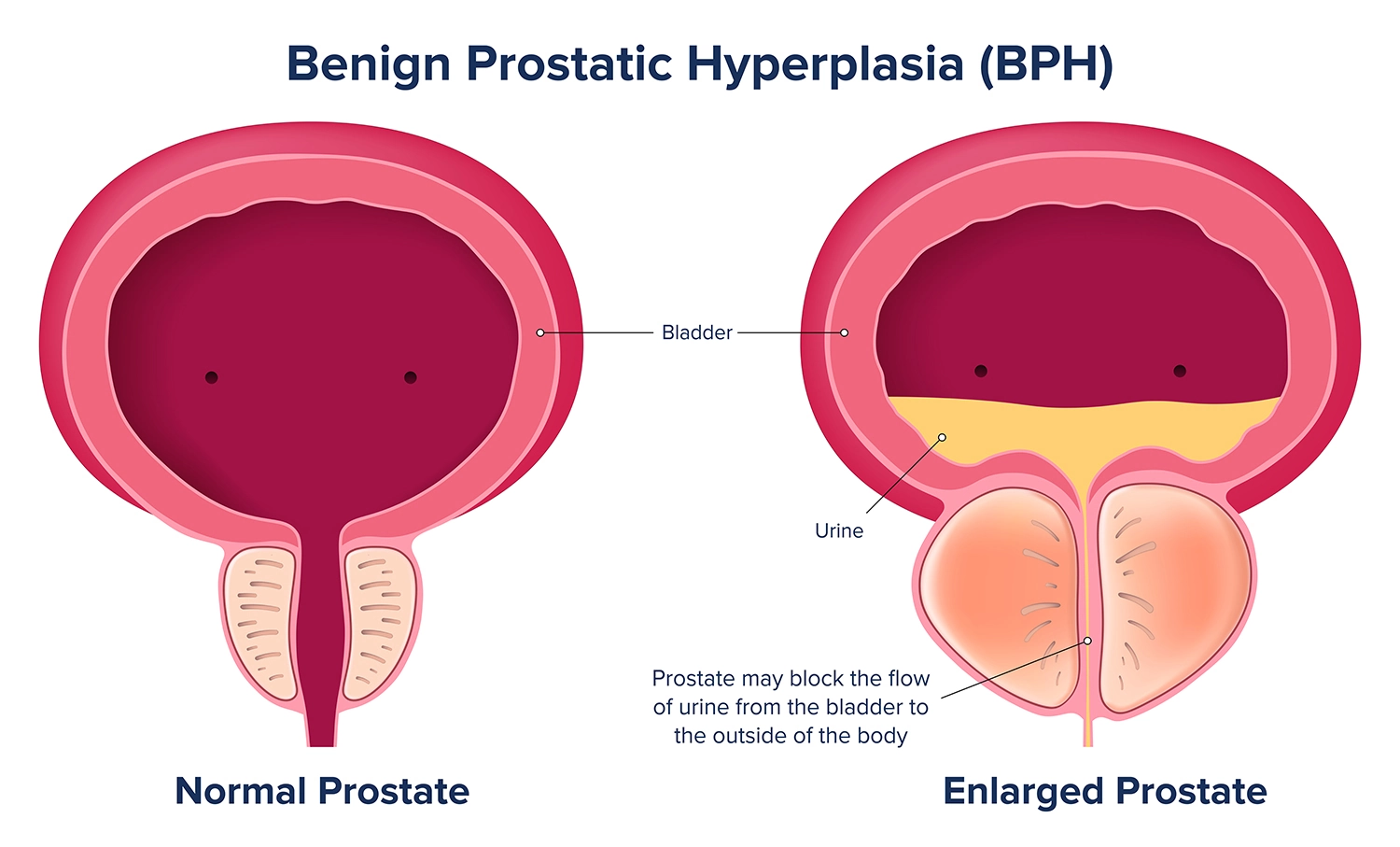
Benign Prostate Enlargement, also known as benign prostatic hyperplasia (BPH), is a non-cancerous increase in the size of the prostate gland, commonly seen in aging men. The prostate surrounds the urethra, and as it enlarges, it can compress the urinary passage, leading to difficulties in urine flow. BPH is a progressive condition that typically develops gradually over time. Although it is not cancerous, it can significantly affect quality of life if left untreated. With early diagnosis and modern treatment options, symptoms can be effectively managed, allowing patients to maintain normal daily activities.
Causes
The primary cause of BPH is related to age-associated hormonal changes in men, particularly involving testosterone and its byproducts. As men grow older, these hormonal shifts can stimulate prostate growth. Genetic factors may also play a role, especially in individuals with a family history of prostate enlargement. Other contributing factors include obesity, lack of physical activity, and chronic medical conditions such as diabetes and heart disease. While BPH is a natural part of aging for many men, its severity and progression can vary from person to person.
Symptoms / Clinical Presentation
Symptoms of BPH are mainly related to urinary difficulties. Common complaints include a weak or interrupted urine stream, difficulty starting urination, prolonged time to empty the bladder, and a feeling of incomplete bladder emptying. Patients may also experience increased frequency of urination, urgency, and the need to wake up multiple times at night to urinate. In some cases, there may be sudden inability to pass urine, which requires immediate medical attention. These symptoms can gradually worsen and impact sleep, comfort, and daily routines.
Diagnosis
Diagnosis of BPH involves a comprehensive evaluation of symptoms and medical history. A physical examination, including a digital rectal examination, helps assess the size and condition of the prostate. Urine tests are conducted to rule out infections or other abnormalities. Blood tests, including prostate-specific antigen (PSA) levels, may be recommended to evaluate prostate health. Imaging studies such as ultrasound and tests to measure urine flow and bladder function may also be performed. Accurate diagnosis is essential to differentiate BPH from other conditions, including prostate cancer.
Treatment Options
Treatment for BPH depends on the severity of symptoms and the impact on quality of life. Mild cases may be managed with lifestyle modifications, including reducing fluid intake before bedtime, limiting caffeine and alcohol, and practicing bladder training techniques. Medications are commonly prescribed to relax prostate muscles or reduce its size, improving urine flow. In cases where medications are not effective, minimally invasive procedures such as transurethral resection of the prostate (TURP), laser therapy, or other advanced techniques may be recommended. The goal is to relieve obstruction and restore normal urinary function with minimal discomfort.
Postoperative Care / Rehabilitation
After treatment, patients are advised to follow medical guidance carefully to ensure optimal recovery. Adequate hydration, avoiding heavy lifting for a short period, and adhering to prescribed medications are important. Regular follow-up visits are necessary to monitor progress and detect any recurrence of symptoms. Maintaining a healthy lifestyle, including regular exercise and a balanced diet, supports long-term prostate health and overall well-being.
Risks and Complications
If left untreated, BPH can lead to complications such as urinary retention, bladder stones, recurrent urinary tract infections, and kidney damage due to prolonged obstruction. Treatment-related risks are generally low but may include temporary urinary discomfort, infection, or changes in ejaculation following certain procedures. With modern medical care and expert supervision, these risks are minimized, and most patients experience significant improvement in symptoms.
When to See a Doctor
It is important to consult a specialist if you experience persistent urinary symptoms such as difficulty in urination, weak stream, frequent nighttime urination, or a sensation of incomplete bladder emptying. Immediate medical attention is required in cases of sudden inability to pass urine or severe discomfort. Early evaluation and treatment can prevent complications and significantly improve quality of life, ensuring better long-term urinary health.