Introduction / Overview
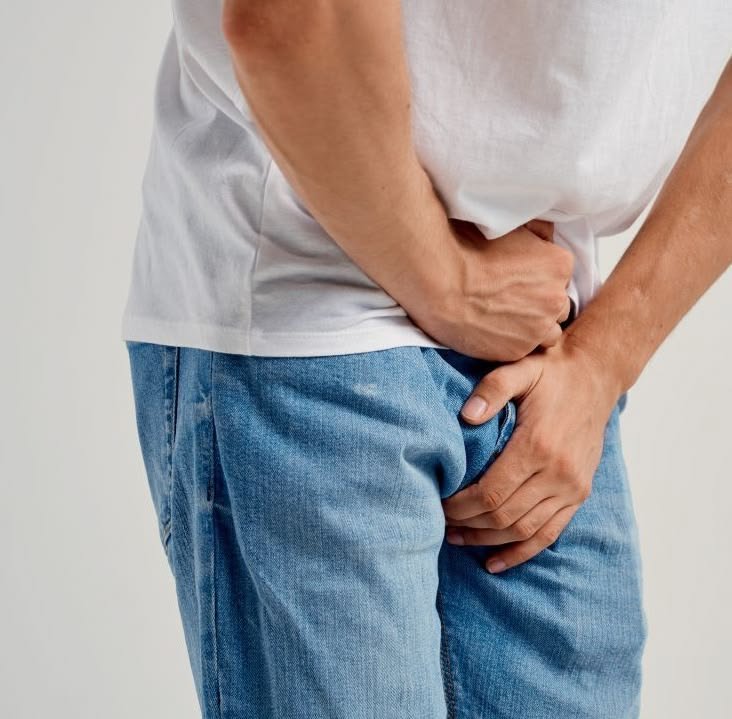
Male incontinence refers to the involuntary leakage of urine due to loss of bladder control. It is a common yet often underreported condition that can affect men of all ages, though it is more frequently seen in older individuals. Incontinence can vary in severity, ranging from occasional leakage during activities such as coughing or lifting, to a sudden and strong urge to urinate that cannot be controlled. This condition may significantly impact daily life, emotional well-being, and confidence. With appropriate evaluation and modern treatment options, male incontinence can be effectively managed and, in many cases, significantly improved.
Causes
Male incontinence can result from a variety of underlying conditions affecting the bladder, prostate, or nervous system. One of the most common causes is prostate-related issues, including enlargement or surgery for prostate conditions. Damage to nerves that control the bladder, often due to diabetes, stroke, or spinal injuries, can also lead to incontinence. Urinary tract infections, bladder abnormalities, and certain medications may contribute to symptoms. Lifestyle factors such as obesity, excessive alcohol consumption, and chronic coughing can increase pressure on the bladder and worsen leakage.
Symptoms / Clinical Presentation
The primary symptom of male incontinence is the unintentional leakage of urine. This may occur during physical activities such as coughing, sneezing, or lifting, or it may be associated with a sudden, urgent need to urinate. Some men may experience frequent urination, difficulty starting or stopping urine flow, or a feeling of incomplete bladder emptying. Nighttime urination and occasional bedwetting may also occur. The severity and pattern of symptoms can vary depending on the underlying cause.
Diagnosis
Diagnosis involves a thorough evaluation of medical history, symptoms, and lifestyle factors. A physical examination, including assessment of the prostate and neurological function, is typically performed. Basic tests such as urine analysis help identify infections or abnormalities. Additional investigations, including ultrasound, urodynamic studies, or cystoscopy, may be recommended to assess bladder function and detect structural issues. In some cases, a bladder diary may be used to better understand urinary patterns and triggers. Accurate diagnosis is essential for effective treatment planning.
Treatment Options
Treatment for male incontinence depends on the type and severity of the condition. Initial management often includes lifestyle modifications such as reducing caffeine and alcohol intake, weight management, and bladder training techniques. Pelvic floor exercises can strengthen the muscles that control urination. Medications may be prescribed to improve bladder function or address prostate-related issues. In cases where conservative treatments are not sufficient, advanced options such as minimally invasive procedures, sling surgery, or artificial urinary sphincter implantation may be considered. Treatment is personalized to achieve the best possible outcome for each patient.
Postoperative Care / Rehabilitation
Ongoing care is important to maintain results and prevent recurrence. Patients are encouraged to continue pelvic floor exercises, follow dietary recommendations, and adhere to prescribed medications. Regular follow-up appointments allow for monitoring of progress and adjustment of treatment if needed. Maintaining a healthy lifestyle and managing underlying conditions such as diabetes or prostate disorders can significantly improve long-term outcomes.
Risks and Complications
If left untreated, male incontinence can lead to complications such as skin irritation, recurrent urinary infections, and reduced quality of life. Emotional stress, embarrassment, and social withdrawal are also common concerns. Treatment-related risks are generally minimal but may include temporary discomfort, infection, or device-related issues in surgical cases. With expert medical care, these risks are effectively managed to ensure patient safety and comfort.
When to See a Doctor
It is important to consult a specialist if you experience persistent or worsening urinary leakage, frequent urination, or difficulty controlling the bladder. Early evaluation helps identify the underlying cause and allows for timely treatment. Men who develop incontinence after prostate surgery, or those with associated symptoms such as pain, blood in the urine, or neurological issues, should seek medical attention promptly. Addressing the condition early can greatly improve quality of life and overall health.