
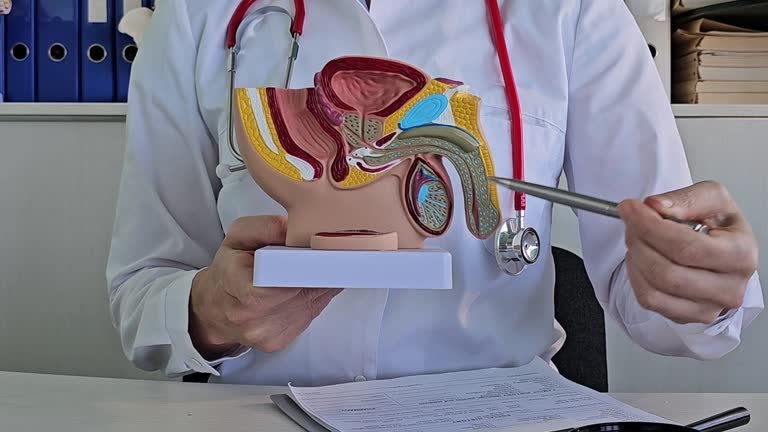
Urological wellness is an integral part of a man’s overall health, vitality, and quality of life. Yet, issues like urinary incontinence are frequently kept secret due to discomfort or the mistaken belief that involuntary leakage is simply an unavoidable part of aging. Male incontinence, defined as the accidental loss of bladder control or involuntary leakage of urine, can range from occasional small dribbles during physical exertion to a complete inability to delay urination. Understanding when urinary leakage transitions from a minor inconvenience into a symptom requiring medical evaluation is essential. Seeking timely care not only restores comfort and personal dignity but also helps identify and treat any underlying prostate, nerve, or structural health conditions before they escalate.
Understanding the Early Warning Signs
Recognizing the subtle warning signs of bladder dysfunction allows you to take proactive steps toward recovery. One of the most noticeable early indicators is stress incontinence, where physical movements that place sudden pressure on the abdomen—such as coughing, sneezing, laughing, lifting heavy objects, or exercising—lead to minor or moderate urine leakage. Another common manifestation is urge incontinence, often referred to as an overactive bladder, characterized by a sudden, intense, and uncontrollable urge to urinate, followed immediately by involuntary loss of urine. Men experiencing urge incontinence often find themselves mapping out public restrooms wherever they go or waking up multiple times every night, a condition known as nocturia.
Beyond stress and urge symptoms, men may experience overflow incontinence, which occurs when the bladder fails to empty completely during urination. This condition causes the bladder to become overly full, resulting in continuous dribbling, a weak or interrupted urinary stream, or a persistent feeling of fullness in the lower abdomen even after exiting the washroom. Additionally, post-micturition dribble—the involuntary loss of a small amount of urine immediately after finishing urination—can indicate localized muscle weakness or urethral obstruction. If any of these patterns persist over several weeks, scheduling a professional evaluation for Male Incontinence Treatment in Secunderabad becomes crucial to managing your symptoms effectively.
Primary Causes Behind Male Urinary Incontinence
Urinary incontinence in men is rarely an isolated problem; rather, it is typically a symptom triggered by an underlying medical condition or anatomical change. A primary cause among adult and aging men is Benign Prostatic Hyperplasia (BPH), or non-cancerous prostate enlargement. As the prostate gland enlarges, it compresses the urethra, obstructing normal urine flow, overworking the bladder muscle, and ultimately impairing bladder control. Incontinence can also arise following surgical procedures for prostate conditions, as temporary nerve or sphincter muscle weakness may develop during the healing process.
Other key contributing factors include neurological disorders such as Parkinson’s disease, stroke, or spinal injury, which disrupt the delicate nerve signals exchanged between the brain and the bladder muscles. Metabolic conditions like long-standing diabetes can damage bladder nerves, leading to decreased sensation and overflow leakage. Furthermore, chronic urinary tract infections, bladder stones, severe constipation, and high consumption of bladder irritants like caffeine or alcohol can temporarily exacerbate urinary instability. Partnering with a Senior Urologist in Secunderabad allows for a precise diagnostic assessment to determine which of these physiological factors is responsible for your specific symptoms.
Advanced Diagnostic Pathways and Modern Care
Modern urological diagnostics have transformed the management of male incontinence, replacing guesswork with tailored, evidence-based care. The evaluation process begins with a detailed medical history review, physical exam, and non-invasive diagnostic tools. These may include a post-void residual ultrasound to measure remaining urine after voiding, urinalysis to exclude infections, and flow rate studies to assess stream strength. In complex cases, advanced urodynamic testing or a gentle endoscopic cystoscopy can evaluate bladder pressure, nerve response, and urethral tissue integrity.
Once an accurate diagnosis is established, a personalized treatment plan is constructed based on the severity and root cause of the incontinence. Conservative management often forms the initial line of defense, incorporating targeted pelvic floor muscle training, bladder retraining schedules, and dietary adjustments. When anatomical or neurological factors require targeted medical support, specialized pharmacotherapy can relax bladder muscles or shrink enlarged prostate tissue. For severe or non-responsive cases, modern, minimally invasive procedures—such as laser therapies, urethral slings, or artificial urinary sphincter placement—provide high success rates and lasting relief. Consulting the Best Senior Andrologist in Secunderabad ensures access to state-of-the-art therapies designed to restore full urinary control with minimal downtime.
Frequently Asked Questions
Is male urinary incontinence a normal part of getting older?
While the risk of bladder issues increases with age due to muscle changes and prostate enlargement, incontinence is never an inevitable or untreatable part of aging. It is a treatable medical symptom that should be evaluated by a medical specialist regardless of your age.
Can pelvic floor exercises really help men regain bladder control?
Yes, pelvic floor muscle training, commonly known as Kegel exercises, is highly effective for men. Strengthening the pelvic floor muscles reinforces the urethral sphincter, significantly reducing stress and urge incontinence when practiced consistently.
How long does it take to see improvements after starting treatment?
Recovery timelines vary depending on the chosen therapy. Behavioral modifications and pelvic exercises usually yield noticeable improvements within six to twelve weeks, while pharmacological or advanced minimally invasive interventions can offer relief much faster.
Conclusion
Living with urinary incontinence can place an unnecessary strain on your emotional well-being, social life, and overall confidence. Recognizing the key warning signs early and understanding that effective, compassionate medical solutions exist is the first step toward regaining total comfort. Whether your symptoms stem from prostate shifts, muscle strain, or nerve changes, dedicated expert care can completely transform your daily life. Take charge of your urological health today by scheduling a confidential consultation at Dr. Neil Trivedi Urology to receive a comprehensive evaluation and a personalized treatment roadmap from trusted clinical experts.
Contact: Dr. Neil N Trivedi
Address: KIMS Hospitals, Secunderabad, Telangana, 500003
Phone Number: +91 7207096888
Email: hyduro@yahoo.in